
Australia's transportation landscape is undergoing a remarkable transformation. With rising fuel costs, increasing environmental awareness, and rapid technological advancements, drivers across the country are reconsidering their fuel choices. Whether you operate a single family vehicle or manage an entire commercial fleet, understanding the nuances of different fuel types has never been more crucial.
The traditional dominance of petrol and diesel is being challenged by alternatives that were once considered impractical for everyday use. LPG, once the budget-conscious driver's secret, now competes with electric vehicles that promise zero emissions and dramatically lower running costs. Meanwhile, hydrogen fuel cell technology looms on the horizon, promising the convenience of traditional refuelling with none of the environmental guilt.
The Current State of Australian Fuel Markets
Australian fuel prices fluctuate considerably, influenced by global crude oil markets, the Australian dollar's strength, and local excise policies. In recent years, the gap between standard unleaded petrol (E10) and premium variants (95 and 98 RON) has widened, leading many motorists to question whether premium fuels genuinely offer value for money.
Diesel vehicles, long favoured for their torque and fuel efficiency on long journeys, face increasing scrutiny due to particulate emissions and nitrogen oxide concerns. Several Australian cities have begun discussing future restrictions on diesel vehicles in central areas, mirroring policies already implemented in European capitals.
Petrol: The Familiar Choice
Standard unleaded petrol remains the most widely used fuel across Australia. Available at virtually every service station from Perth to Cairns, its convenience is unmatched. Modern engines have become remarkably efficient, with many compact cars achieving fuel economy figures that would have seemed impossible just a decade ago.
However, petrol engines emit carbon dioxide, a primary greenhouse gas, and contribute to urban air quality issues through volatile organic compound emissions. For environmentally conscious drivers, these factors weigh increasingly heavily in purchasing decisions.
Curious About Your Vehicle's Optimal Fuel?
Our fuel efficiency consultants can analyse your driving patterns and recommend the most cost-effective approach for your specific situation.
View Our ServicesDiesel: Power and Efficiency with Trade-offs
Diesel engines extract more energy per litre than their petrol counterparts, making them particularly suitable for heavy loads and extended highway driving. Tradespeople, farmers, and long-distance travellers have traditionally gravitated toward diesel for these practical reasons.
The diesel particulate filter (DPF) systems mandated in modern vehicles have addressed many historical concerns about visible exhaust emissions. Nevertheless, the infrastructure required to properly maintain these systems adds complexity and cost to vehicle ownership. Short urban trips, which don't allow engines to reach optimal operating temperatures, can lead to DPF problems and expensive repairs.
Electric Vehicles: The Rising Contender
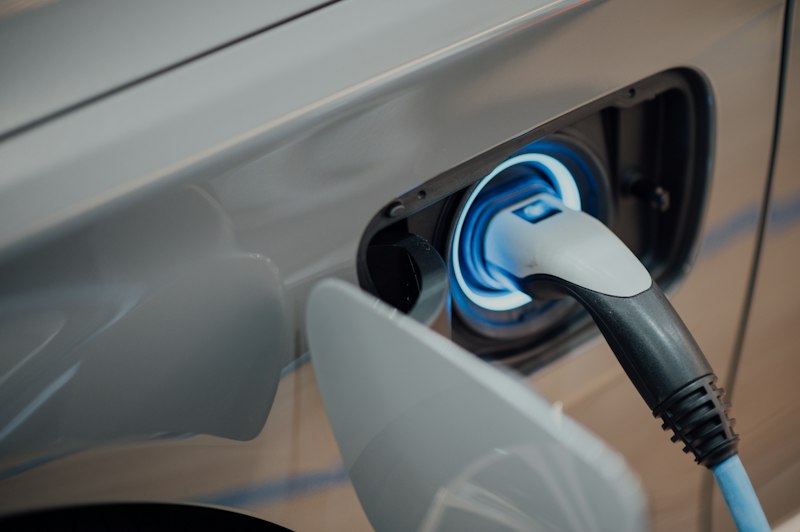
Battery electric vehicles (BEVs) have progressed from curiosities to credible mainstream options. Major manufacturers now offer electric variants across multiple segments, from compact city cars to full-size SUVs and commercial vehicles. Range anxiety, once the primary deterrent for prospective buyers, has diminished as battery technology advances push single-charge distances beyond 400 kilometres in many models.
Australia's charging infrastructure, while still developing, has expanded considerably. Fast-charging networks now link major cities along popular routes, making interstate electric travel feasible. Home charging remains the most convenient option for daily use, with most owners simply plugging in overnight to wake to a fully charged vehicle.
The total cost of ownership calculation for electric vehicles has become increasingly favourable. While purchase prices remain higher than equivalent petrol vehicles, dramatically lower running costs and reduced maintenance requirements offset this premium over typical ownership periods. The absence of oil changes, timing belt replacements, and exhaust system repairs simplifies the ownership experience substantially.
Switching our delivery fleet to electric vehicles seemed risky initially, but the numbers spoke for themselves. We've reduced our fuel costs by nearly 70 percent while improving our environmental credentials with customers who increasingly value sustainability.
Operations Director, Brisbane Logistics Solutions
LPG: The Overlooked Alternative
Liquefied petroleum gas, often dismissed as yesterday's alternative fuel, continues offering genuine value for certain applications. Prices typically run 50 to 60 percent lower than unleaded petrol per litre, though the fuel's lower energy density means consumption increases proportionally.
Dual-fuel systems allow vehicles to switch between LPG and petrol, providing flexibility that pure electric vehicles cannot match. For drivers covering substantial annual distances where charging infrastructure remains sparse, LPG systems offer a practical pathway to reduced running costs without the range limitations of current electric technology.
The network of LPG stations, while smaller than petrol outlets, maintains reasonable coverage along major Australian routes. Careful trip planning eliminates most concerns about fuel availability for regular travellers.
Need Help Choosing the Right Fuel Strategy?
Our comprehensive assessments consider your driving patterns, budget constraints, and environmental priorities to recommend tailored solutions.
Request a ConsultationHydrogen: The Future Fuel?
Hydrogen fuel cell vehicles represent perhaps the most ambitious vision for sustainable transportation. These vehicles combine hydrogen and oxygen in fuel cells to generate electricity, emitting only water vapour as a byproduct. Refuelling takes mere minutes, similar to conventional petrol or diesel, addressing the charging time concerns that persist with battery electric vehicles.
However, hydrogen infrastructure remains extremely limited in Australia. A handful of demonstration stations exist, primarily in Sydney and Melbourne, but widespread availability likely remains years away. The energy required to produce, compress, and distribute hydrogen also raises questions about the technology's overall environmental credentials, particularly when that energy comes from fossil fuel sources.
Making Informed Decisions
No single fuel type suits every driver or application. Urban commuters covering short distances may find electric vehicles ideal, while regional operators with unpredictable schedules might prefer the flexibility of traditional fuels. Fleet managers must balance immediate budget constraints against long-term operating costs and potential regulatory changes.
Understanding your specific circumstances—annual distance, typical journey lengths, access to charging infrastructure, and budget parameters—forms the foundation for sound fuel choices. Professional guidance can illuminate options you may not have considered and quantify the financial implications of different approaches.
Cost Comparison Overview
| Fuel Type | Average Cost per 100km | Availability | Environmental Impact |
|---|---|---|---|
| Petrol (91 RON) | $14 - $18 AUD | Excellent | Moderate emissions |
| Diesel | $12 - $16 AUD | Excellent | Particulate concerns |
| LPG | $10 - $14 AUD | Good | Lower emissions |
| Electric | $3 - $6 AUD | Growing | Depends on grid source |
| Hydrogen | $18 - $25 AUD | Very Limited | Zero direct emissions |
Important Notice
The information provided on this website is intended for general educational purposes only. It should not be considered professional automotive, financial, or environmental advice. Individual results may vary based on specific vehicle characteristics, driving conditions, and fuel sources. We recommend consulting qualified professionals before making significant decisions about vehicle fuel systems or purchases. The cost figures presented are estimates based on average Australian conditions and may differ in your specific location.